Starting your logger

Starting your LogTag

Starting your logger is like pressing the Record button on your camera.

Important:

You can’t start the logger until it has been configured. So if you haven’t configured your LogTag yet, here’s a page on how to do that.

Starting a Standard LogTag

Push Button Start

If you selected Push Button Start in your LogTag configuration, the logger will now be waiting for you to start it.

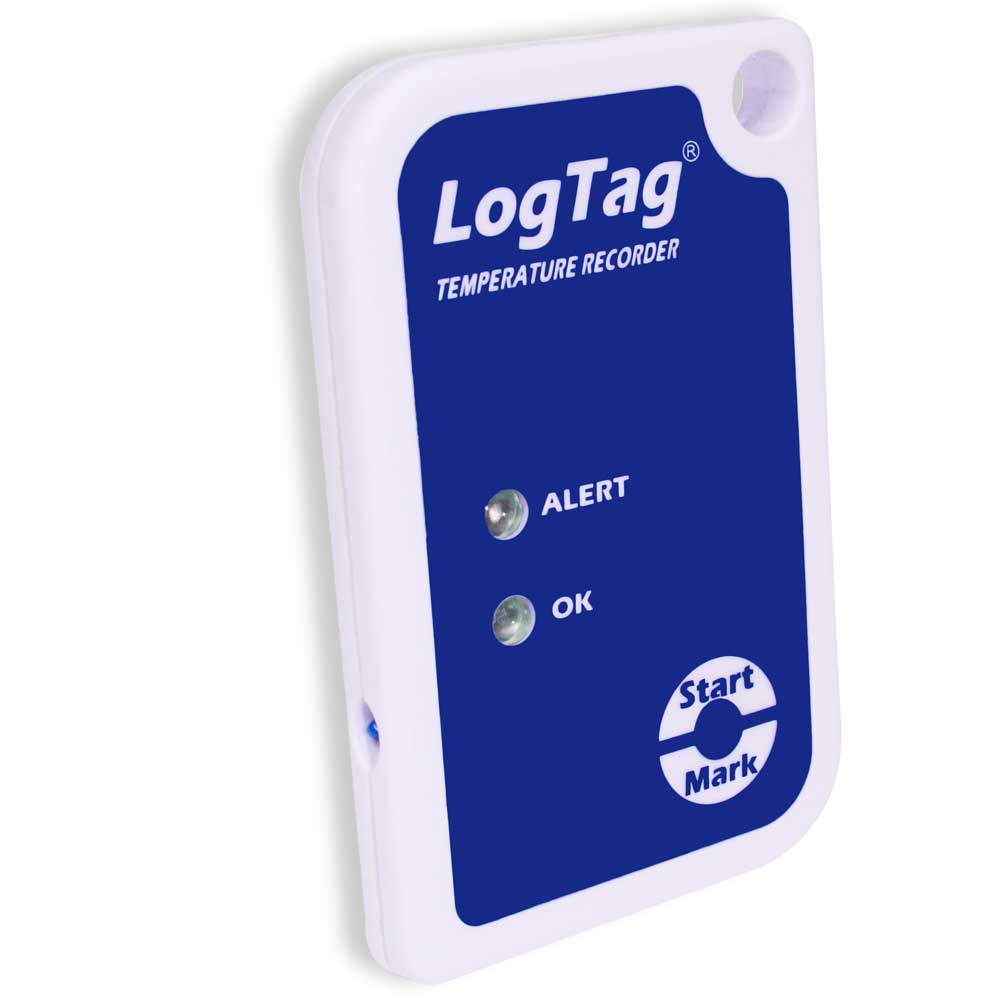
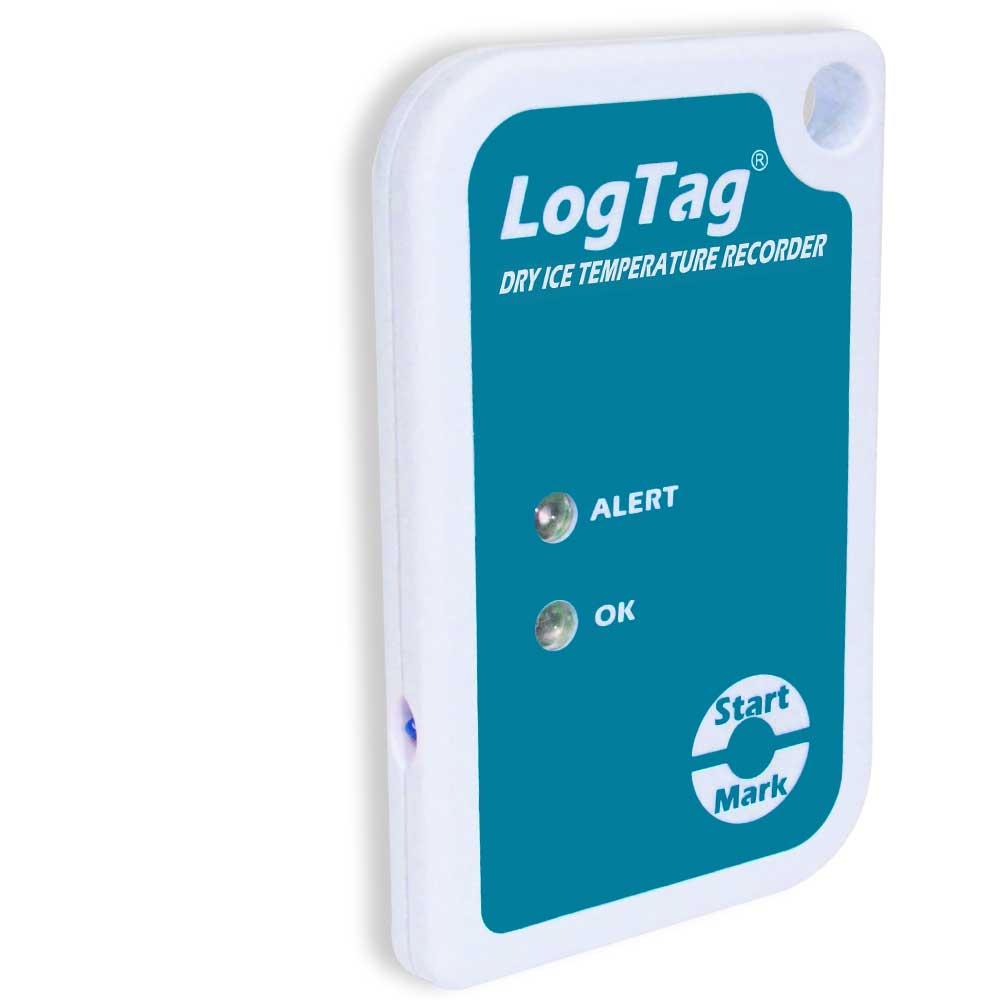
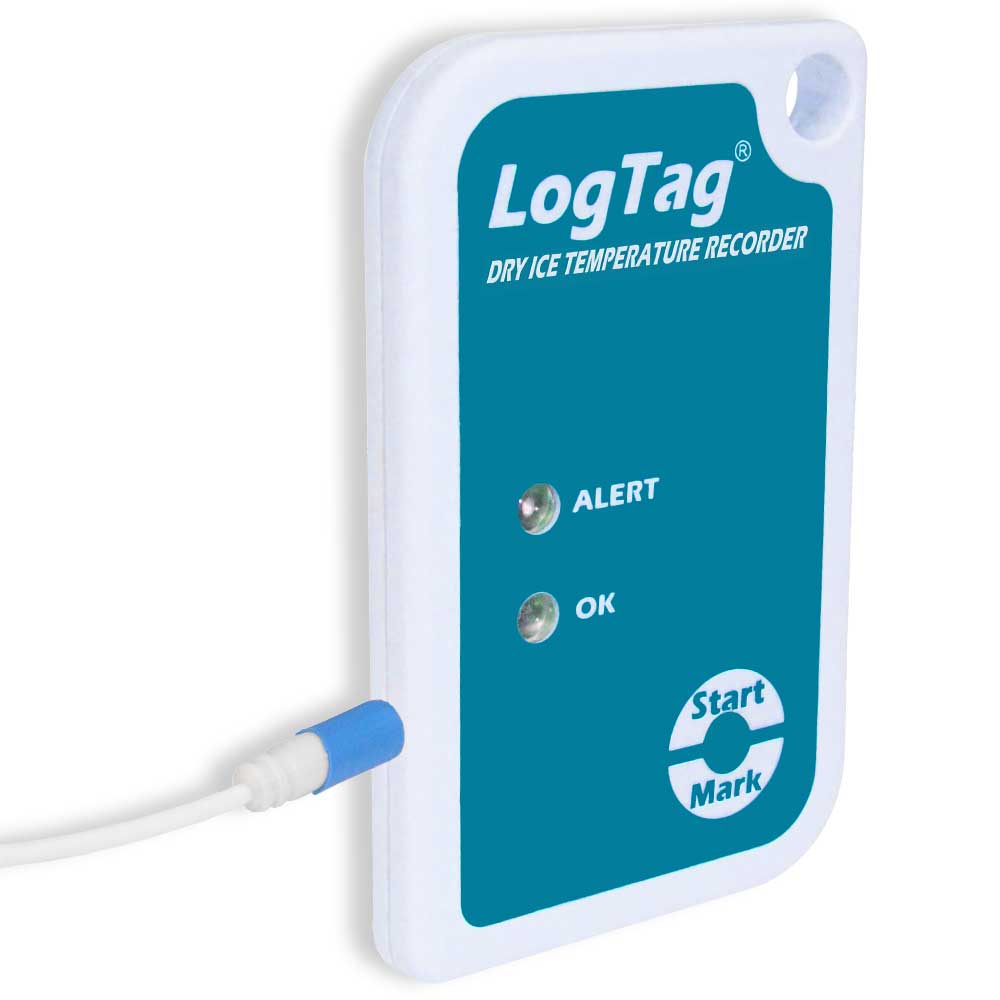
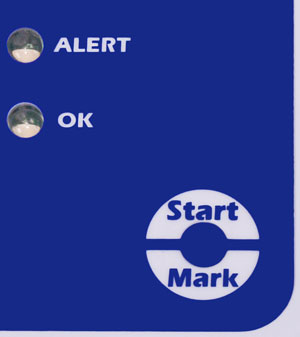
Press and hold the Start button for about a second. Both the red and green LEDs on the front of the logger will flash alternately for a few seconds to show that the logger is starting.

After that, the green OK LED will flash briefly about every 5 seconds to show you that the logger is recording. If the logger goes into alert, the red Alert light will flash instead.

Starting lights

Delayed Start

If you configured your logger to start after a delay, you will see a second sequence of lights after the starting sequence – both lights will flash at the same time, four times. This lets you know there is a delay on start.

After this sequence, you won’t see any lights until the specified delay is up. Then the logger will start and you will see the green OK light start to flash every 5 seconds.

Delay lights

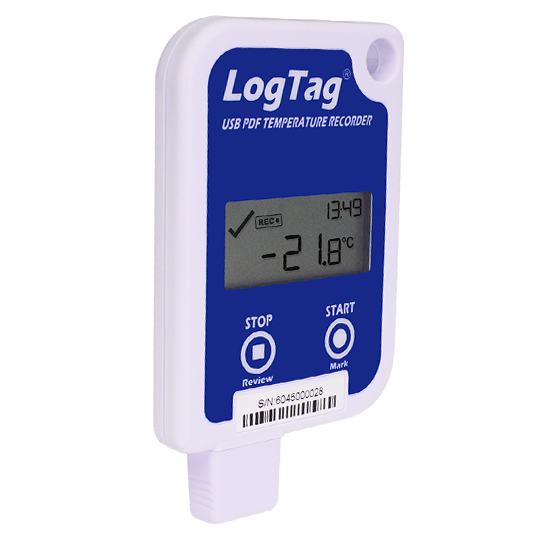
Starting a LogTag with LCD display

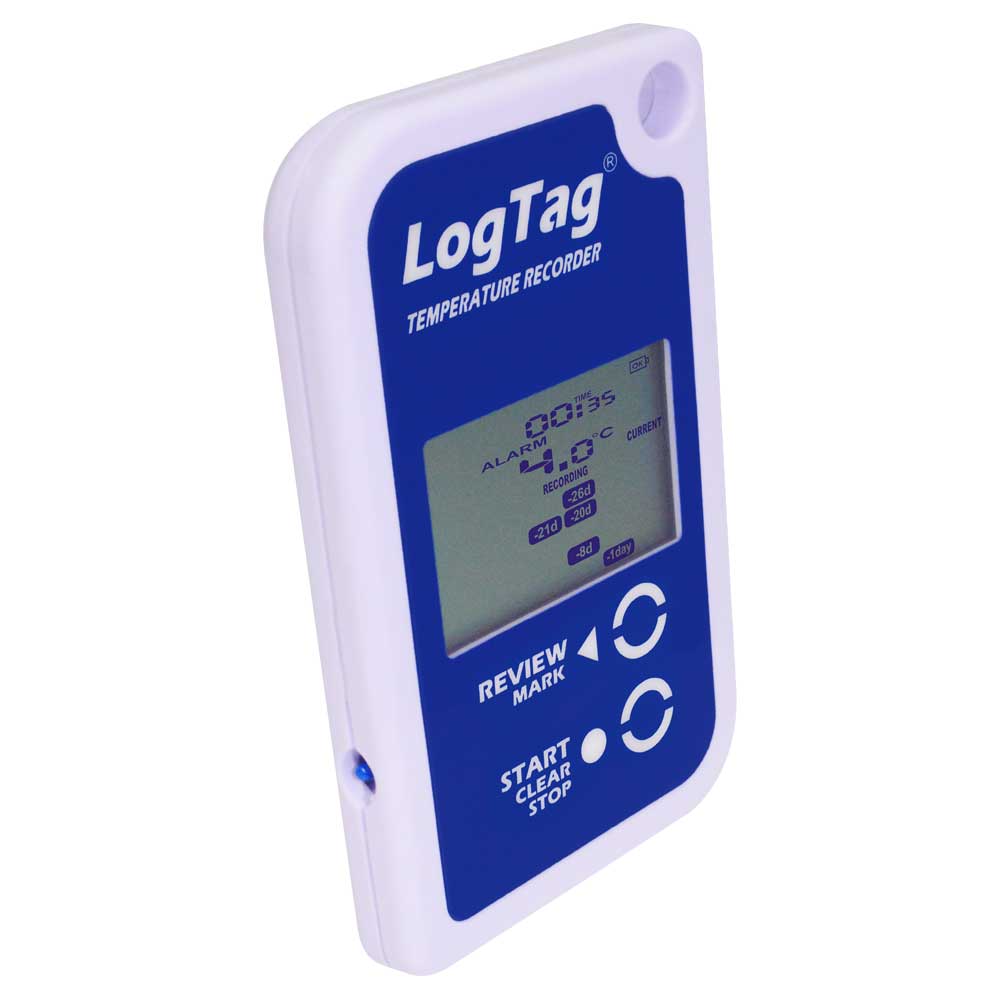
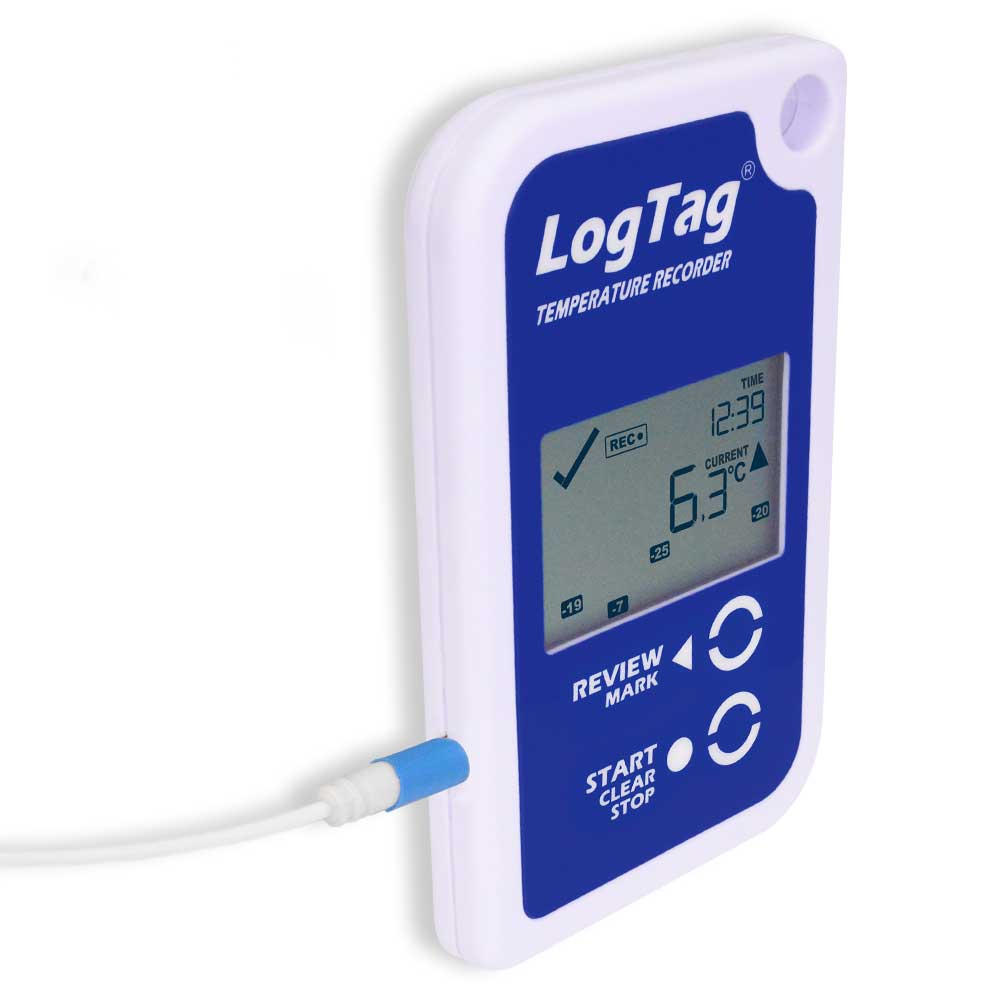
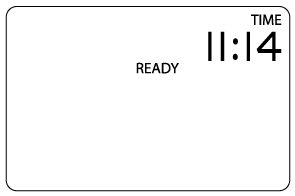
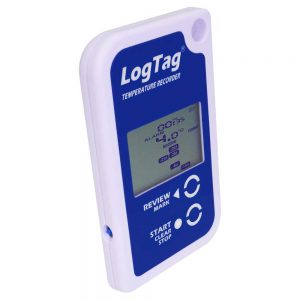
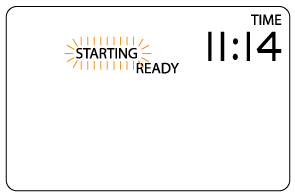
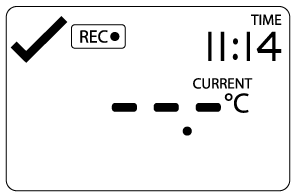
Newer display LogTags are very easy and intuitive to start – simply press and hold the Start button for a few seconds and the display will change from READY (not recording) to REC (recording).

Starting a LogTag with Display
LogTag Quick Start option

However, some older models were trickier to start.

If your logger doesn’t start just by pressing the Start button, here are some things to try…

  1. Look for the Quick Start setting in the LogTag Configure interface under Advanced Settings. Make sure this box is ticked. Save the configuration and try to start the logger again.
  2. If that still doesn’t work, try the procedure below…
    1. Press and hold the Start button
    2. The word STARTING will appear and flash. Continue holding the Start button until the word STARTING stops flashing (normally about 4-5 seconds). Immediately realease the Start button. The word REC should appear.
    3. Note that if the display says READY, the logger is NOT recording.

Date/Time Start

LogTag Date Time Start

It is possible to configure the logger’s parameters so that it starts at a certain date and time. This may be useful for certain shipping situations.

[remotepage page="shipping-insurance.html"]
Latency explained

What is latency?

Latency, when it comes to temperature logging, refers to the delay between a change in temperature and when that change is detected and recorded by the logger. This delay can be due to the sensor’s design, the materials it’s placed in, or the logging interval. While it might sound like a disadvantage, latency can actually serve a useful purpose in certain environments—particularly where short-term temperature spikes are common but not harmful.

For example, in a busy commercial fridge, the temperature may briefly rise every time the door is opened. A logger with high latency won’t immediately react to these short fluctuations, helping to avoid unnecessary alarms or false data indicating a problem when there isn’t one. In these cases, a slight delay in response acts like a filter, focusing attention on real issues—such as prolonged exposure to unsafe temperatures—while ignoring the everyday ups and downs that don’t affect product quality or safety.

Differrnt connections

Connecting your logger

Depending on the type of logger you have, connecting your logger to your PC means either:

  • inserting into the Reader,
  • plugging it into a USB port, or
  • connecting it via a USB cable.
comparing gen1 and gen 2

What's so good about USB?

First Generation LogTags use a separate Reader (sometimes called a dock) for configuration and for downloading recorded data. 

The Second Generation loggers only require a USB port or cable. Apart from saving the cost of the Reader, this makes them much better suited for shipping, because the recipient doesn’t need a LogTag Reader to download a report about the shipment’s journey.

comparing gen1 and gen 2